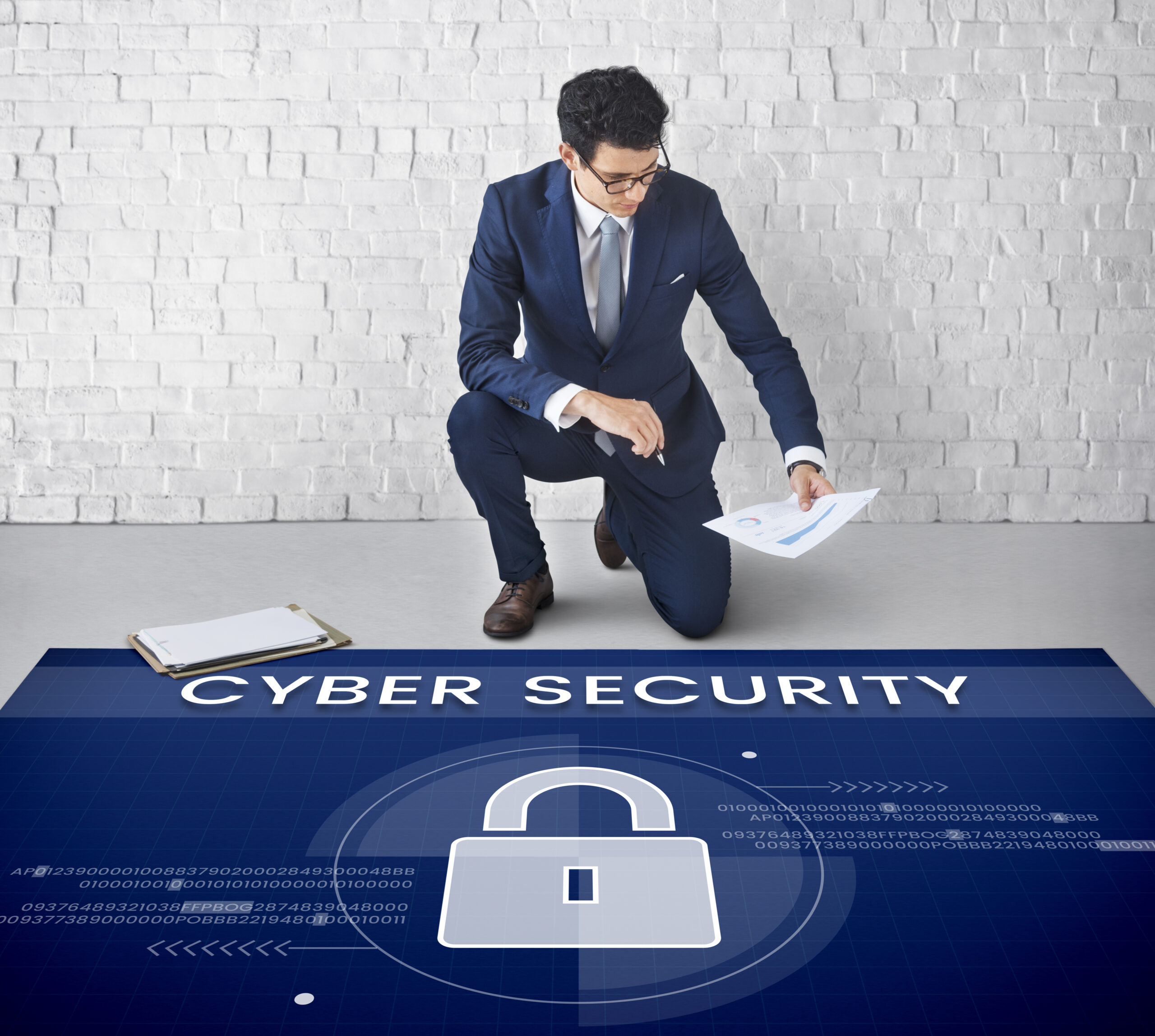
Introduction In today’s digital world, cybersecurity for small businesses is not a luxury—it is a necessity. With hackers increasingly targeting startups and SMEs, protecting your data, customers, and reputation must be a top priority. Unfortunately, many small businesses assume cybercriminals only go after large corporations. In reality, weak defenses make small firms easier targets. This guide will cover the most effective cybersecurity tips for small businesses to help you safeguard sensitive information and build customer trust. Why Cybersecurity Matters for Small Businesses Small businesses often lack dedicated IT teams, leaving them vulnerable to cyberattacks. A single breach can lead to financial losses, stolen data, and damaged credibility. By adopting simple but powerful practices, you can significantly reduce risks and protect your business operations. 1. Use Strong Passwords and Multi-Factor Authentication Weak or reused passwords are the easiest way for hackers to gain access. Encourage your employees to: 2. Keep Software and Systems Updated Outdated software is a common entry point for cybercriminals. Always: 3. Train Employees on Cybersecurity Awareness Your employees are the first line of defense. Provide training on: A single careless click can open the door to hackers, so awareness is key. 4. Secure Your Wi-Fi Network Unsecured networks are an open invitation to cybercriminals. Protect your Wi-Fi by: 5. Backup Data Regularly Data loss can cripple your business. To stay prepared: 6. Use Reliable Security Software Invest in trusted antivirus and firewall solutions. These tools help detect, block, and remove malicious threats before they cause damage. Small monthly costs can prevent massive financial losses. 7. Protect Customer Data If your business collects customer information, compliance and trust are critical. Steps include: 8. Develop a Cybersecurity Policy Create a written policy outlining: This ensures consistency and preparedness across the organization. 9. Limit Access Controls Not every employee needs access to all company data. Apply the principle of least privilege (PoLP): 10. Work With Cybersecurity Professionals If you don’t have in-house expertise, outsource to professionals. A managed IT service provider can monitor threats, update defenses, and ensure compliance with regulations. Conclusion Cybersecurity may seem overwhelming, but small businesses can significantly reduce risks by following these cybersecurity tips. Strong passwords, employee training, regular backups, and reliable security tools can make all the difference. Protecting your digital assets not only keeps your operations safe but also builds trust with your customers. Take cybersecurity seriously today—your business’s future depends on it. Frequently Asked Questions (FAQs) Q1. Why should small businesses worry about cybersecurity?Because they are easy targets for hackers. A single attack can result in financial loss, stolen data, and reputational damage. Q2. What is the most common cyber threat for small businesses?Phishing emails and ransomware are the most common threats. Q3. How often should small businesses back up data?Daily or weekly backups are recommended, depending on the size of operations. Q4. Do small businesses need a cybersecurity budget?Yes. Even a small budget allocated to antivirus, firewalls, and employee training can prevent costly breaches. Q5. How can small businesses improve website security?Install SSL certificates, keep plugins updated, and use strong admin credentials.
Top Certifications for Cybersecurity Professionals in 2025
Cybersecurity is one of the fastest-growing fields in today’s digital economy. With data breaches, ransomware, and phishing attacks making headlines daily, businesses are looking for highly skilled professionals to secure their systems. One of the best ways to stand out in this competitive industry is by earning recognized certifications in cybersecurity. In this article, we’ll explore the top certifications for cybersecurity professionals in 2025—covering beginner-friendly credentials, advanced management certifications, and highly technical hands-on qualifications. 1. Certified Information Systems Security Professional (CISSP) 2. Certified Ethical Hacker (CEH) 3. CompTIA Security+ 4. Certified Information Security Manager (CISM) 5. Offensive Security Certified Professional (OSCP) 6. GIAC Security Essentials (GSEC) 7. Certified Cloud Security Professional (CCSP) Table of Certifications at a Glance Certification Level Best For Career Roles CISSP Advanced Security leaders CISO, Security Architect CEH Intermediate Ethical hacking Penetration Tester Security+ Beginner Entry-level SOC Analyst CISM Advanced Management IT Manager, Risk Officer OSCP Advanced Technical hands-on Ethical Hacker GSEC Intermediate Well-rounded knowledge Security Admin CCSP Advanced Cloud Security Cloud Engineer Conclusion Choosing the right certification depends on your career stage and goals. If you’re starting out, CompTIA Security+ provides a strong foundation. For offensive security, CEH or OSCP are excellent picks. Aspiring leaders should aim for CISSP or CISM, while cloud-focused professionals should go for CCSP. In 2025, with cyber threats evolving daily, these top certifications for cybersecurity professionals not only boost your credibility but also future-proof your career in one of the most in-demand industries.

Cybersecurity Career Guide: 5 Essential Steps to Start from Scratch
In today’s digital world, cybersecurity has become one of the most in-demand and rewarding career paths. With cyber threats increasing every year, organizations across the globe are actively hiring skilled professionals to protect their data, systems, and networks. If you’re starting from zero knowledge and wondering how to build a career in cybersecurity from scratch, this guide will walk you through every step. Why Choose a Career in Cybersecurity? Information security is not only a high-paying profession but also one that offers long-term job stability and continuous learning. According to industry reports, the demand for digital security experts is projected to grow steadily as businesses adopt new technologies and embrace digital transformation. A career in this field allows you to: Step 1: Understand the Basics of Cybersecurity Before diving into advanced tools and certifications, start with the fundamentals. Learn about: You can explore free resources on YouTube, cybersecurity blogs, and platforms like Cybrary and Coursera to get started. Step 2: Develop Core Technical Skills To excel in cybersecurity, you must build strong technical foundations. Focus on learning: Step 3: Gain Hands-On Experience Practical experience is the key to landing your first cybersecurity job. Here are a few ways to practice: Step 4: Pursue Certifications Certifications add credibility to your skills and make your profile attractive to recruiters. Beginners can start with: As you grow, aim for advanced certifications like CISSP, CISM, or OSCP.Protection Surveillance Safety Privacy Policy Concept Step 5: Build Your Professional Brand Employers want to see not just your knowledge but also your commitment to the field. Here’s how to stand out: Step 6: Apply for Entry-Level Roles Don’t wait until you’re “perfectly ready.” Apply for beginner-friendly roles such as: These roles will give you real-world exposure and help you climb the career ladder. Step 7: Keep Learning and Growing Cybersecurity is a field that evolves daily. To stay competitive: Conclusion Building a career in cybersecurity from scratch requires patience, curiosity, and dedication. Start small, keep practicing, and never stop learning. With the right approach, you can go from a complete beginner to a highly skilled cybersecurity professional in just a few years.

Cyber Safety:10 Best Practices to Protect Your Remote Team in 2025
Cyber Safety is more important than ever in today’s digital world, especially with the rise of remote work since the global pandemic. While remote work offers flexibility, it also introduces various cybersecurity risks. Protecting your remote team from cyber threats should be a top priority for every organization. In this blog, we’ll explore the best practices for ensuring your remote teams are safe from cyber-attacks while maintaining productivity. 1. Use Strong and Unique Passwords One of the simplest yet most effective ways to safeguard your remote team’s cyber safety is by ensuring that everyone uses strong and unique passwords for their accounts. Weak or reused passwords are a major vulnerability. Encourage employees to use a combination of uppercase and lowercase letters, numbers, and symbols. Pro Tip: Implement a password manager for your team to securely store and generate strong passwords. 2. Enable Multi-Factor Authentication (MFA) Multi-factor authentication (MFA) adds an extra layer of protection to your team’s accounts. By requiring an additional step (such as a text message or authentication app) beyond just a password, MFA ensures that even if an account password is compromised, it’s much harder for hackers to access. Pro Tip: Ensure all company accounts, especially those with sensitive information, are protected by MFA. This includes email accounts, cloud storage, and internal systems. 3. Regular Software Updates Cybercriminals often exploit vulnerabilities in outdated software. By ensuring that all software, including operating systems, antivirus programs, and applications, are up-to-date, you can prevent cybercriminals from exploiting known flaws. Pro Tip: Set up automatic updates for critical software and systems, so you don’t miss any patches or security upgrades. 4. Use a Secure VPN When working remotely, especially on public Wi-Fi networks, a Virtual Private Network (VPN) is essential. A VPN encrypts your team’s internet connection, protecting data from potential hackers or eavesdroppers. Pro Tip: Ensure that all employees use a reputable VPN provider that offers strong encryption and fast connection speeds for seamless work. 5. Educate Your Team on Phishing Scams Phishing attacks are a common method of breaching cybersecurity, especially among remote workers. Cybercriminals impersonate trusted individuals or organizations to steal sensitive information, such as login credentials. Pro Tip: Provide regular training for your team on how to spot phishing emails, suspicious links, and attachments. Encourage them to verify any suspicious requests through official channels. 6. Implement Device Security Policies With remote teams using various devices (laptops, smartphones, etc.), it’s crucial to establish strict device security policies. Ensure that every device accessing company data is protected by a strong password, encryption, and, if possible, biometric authentication. Pro Tip: Set up a Mobile Device Management (MDM) system to track, secure, and remotely wipe devices in case they’re lost or stolen. 7. Limit Access to Sensitive Data Not all employees need access to all company data. Implement role-based access controls (RBAC) to limit access to sensitive information based on the employee’s role. This reduces the risk of accidental data breaches or intentional misuse of company resources. Pro Tip: Regularly audit access permissions to ensure only authorized personnel can access confidential data. 8. Backup Your Data Regularly Cyber-attacks, such as ransomware, can lock you out of your important files. Regularly backing up your data ensures that, in the event of an attack, you don’t lose critical business information. Pro Tip: Use both cloud-based and physical backup methods to ensure redundancy and protection. 9. Monitor Remote Work Devices and Activities To prevent security breaches, it’s essential to monitor the devices and online activities of your remote team. By implementing tools that track device activity, you can spot unusual behavior and identify potential cyber threats early. Pro Tip: Use Security Information and Event Management (SIEM) software to monitor for suspicious activity across your remote team’s devices. 10. Secure Collaboration Tools With teams working remotely, communication and collaboration are typically done through platforms like Zoom, Slack, or Microsoft Teams. Ensure that these tools are properly configured to avoid security risks. Pro Tip: Enforce strong passwords for video calls and require participants to be authenticated before joining any meeting. Always ensure these platforms are kept up to date with the latest security patches. Conclusion Cybersecurity is an ongoing process that requires attention and dedication. By implementing these best practices for remote teams’ cyber safety, organizations can protect themselves from common cyber threats and ensure a safe and productive work environment for their remote employees. Remember, your remote team’s cybersecurity is only as strong as your weakest link. Regularly train your team, stay informed about the latest cyber threats, and keep all systems updated to minimize risks and maximize productivity.
The CIA Triad: 3 Essential Principles for Cybersecurity – Confidentiality, Integrity, and Availability
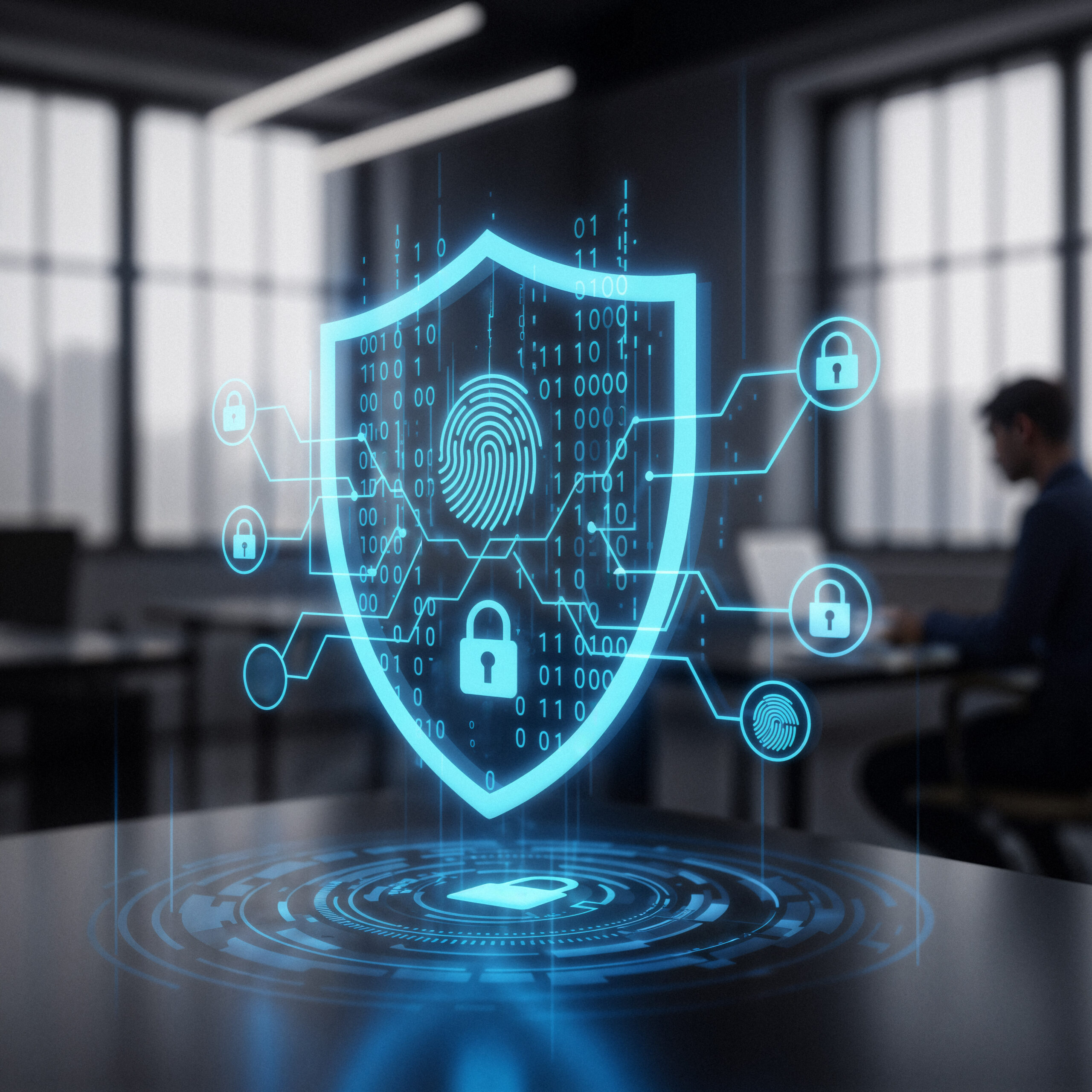
In the realm of cybersecurity, the CIA Triad—Confidentiality, Integrity, and Availability—forms the cornerstone of information security. These three principles are crucial for securing data and ensuring that it remains safe from malicious attacks, both in terms of access and functionality. Let’s dive deeper into these foundational pillars of cybersecurity. 1. Confidentiality: Protecting Sensitive Information Confidentiality ensures that sensitive data is accessible only to those with the proper authorization. It’s about maintaining privacy and ensuring that only authorized individuals have access to critical data. Without confidentiality, sensitive information can be exposed to unauthorized users, leading to privacy violations, data theft, or financial fraud. Key Methods to Ensure Confidentiality: 2. Integrity: Ensuring Data Accuracy Integrity guarantees that the data remains accurate and trustworthy. It prevents unauthorized modification of data and ensures that the information stored, processed, and transmitted remains intact throughout its lifecycle. Methods to Maintain Data Integrity: Data integrity is paramount because tampered data can lead to incorrect decisions, mistakes, and security breaches, which can severely impact business and reputation. 3. Availability: Ensuring Reliable Access to Data Availability ensures that authorized users can access data and systems when needed. If a system or data becomes unavailable due to a cyberattack, hardware failure, or any other reason, it can disrupt operations, leading to significant financial losses and reduced customer trust. Methods to Ensure Availability: Availability is key to keeping business operations running smoothly. If data becomes inaccessible, the organization may experience severe operational and financial consequences. The Importance of the CIA Triad The CIA Triad provides a comprehensive framework for understanding and mitigating risks in cybersecurity. It balances the need to protect sensitive data with the need for availability and trustworthiness. These principles are interconnected: Real-World Applications of the CIA Triad Conclusion The CIA Triad is the backbone of a solid cybersecurity strategy. By focusing on Confidentiality, Integrity, and Availability, organizations can ensure their systems are secure, reliable, and trustworthy. As cyber threats continue to evolve, understanding and applying these principles remains critical for maintaining data security and business continuity.

What is Cybersecurity? A Beginner’s Guide
In today’s digital-first world, cybersecurity has become a key topic of discussion for businesses and individuals alike. As the internet continues to evolve, so do the threats that come with it. Cybercriminals are constantly finding new ways to exploit vulnerabilities in systems, networks, and applications, putting sensitive information at risk. From financial transactions to personal data, the stakes are high, and the consequences of a breach can be devastating. This is where cybersecurity comes in. In this comprehensive guide, we will explore what cybersecurity is, why it’s crucial, the types of cybersecurity, and how you can protect yourself and your organization from cyber threats. What is Cybersecurity? Cybersecurity refers to the practice of protecting systems, networks, and programs from digital attacks, damage, or unauthorized access. These attacks are usually carried out with the intent of stealing, modifying, or destroying sensitive data. Cybersecurity involves a range of measures designed to defend against these types of attacks, including firewalls, encryption, access controls, and more. In simple terms, cybersecurity is the digital equivalent of locking your doors and windows to prevent burglars from breaking into your home. Just as you protect your home with physical locks, cybersecurity secures your digital world. Why is Cybersecurity So Important? The importance of cybersecurity cannot be overstated. As we continue to store more personal and business data online, the risk of cyberattacks grows exponentially. The primary reason why cybersecurity is crucial is that it protects sensitive data. This could include: Cybersecurity also ensures that critical systems and networks continue to operate smoothly. Without proper cybersecurity measures, organizations risk data breaches, financial loss, damaged reputations, and legal consequences. Moreover, the rise of cybercrime is a significant driver behind the need for robust cybersecurity. In 2020 alone, cybercrime was estimated to cost the global economy around $1 trillion, and this number continues to rise. As hackers become more sophisticated, organizations must invest in cybersecurity solutions to stay ahead of potential threats. The Different Types of Cybersecurity Cybersecurity is not a one-size-fits-all solution. It encompasses various domains, each with its own focus and tools. Below are the key types of cybersecurity: Common Cybersecurity Threats Now that we’ve explored what cybersecurity is and why it’s important, let’s take a look at some of the most common cybersecurity threats that individuals and businesses face today: How to Protect Yourself and Your Organization Now that we’ve discussed the importance of cybersecurity and the types of threats you might encounter, let’s go over some practical steps to protect yourself from these dangers: Conclusion In today’s digital age, cybersecurity is no longer optional—it’s a necessity. Whether you’re an individual trying to protect your personal data or a business safeguarding sensitive information, understanding cybersecurity is crucial. By implementing strong security practices, staying informed about the latest threats, and investing in the right tools, you can defend against cyberattacks and protect your digital life. Cybersecurity is an ongoing process, so always stay vigilant and proactive in securing your data.